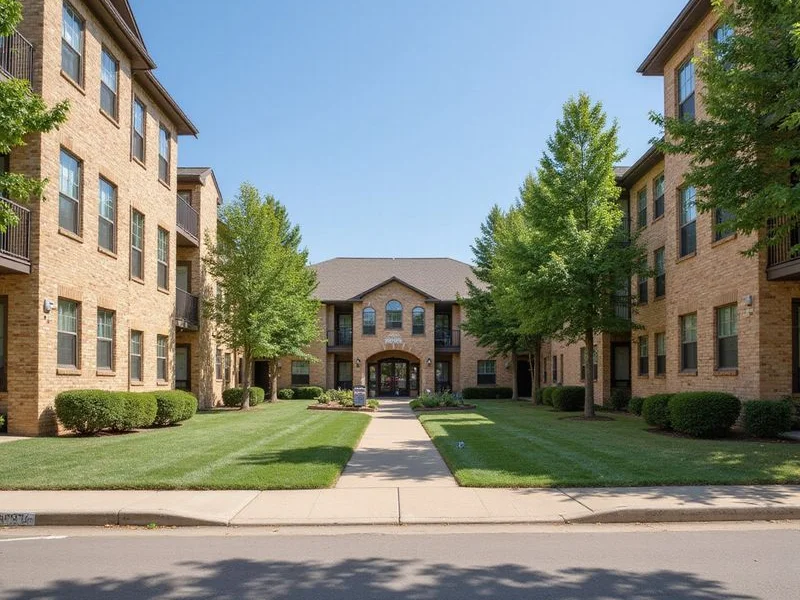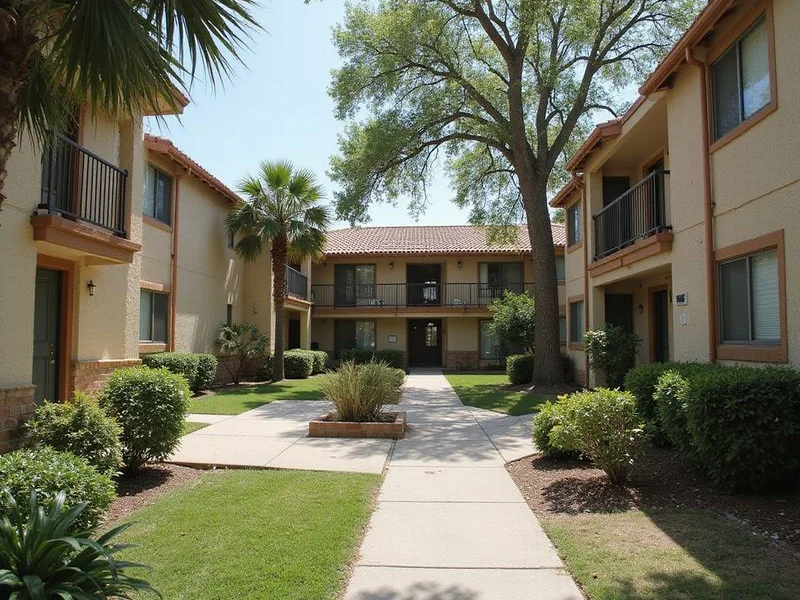
No Credit Check Apartments has helped renters across Dallas, Houston, San Antonio, Austin, and Fort Worth find apartments after bankruptcy for over 15 years. A Chapter 7 or Chapter 13 bankruptcy stays on your credit report for seven to ten years, and many property managers treat it as an automatic denial even when your current income is strong. But bankruptcy is a court-supervised process, and some Texas apartment communities actually view a discharged bankruptcy more favorably than active collections - the debts are resolved, so it can read as a cleaner slate.
Chapter 7 vs. Chapter 13 Discharge
Chapter 7 is the “fresh start” bankruptcy. Non-exempt assets liquidated, unsecured debts discharged. Once discharged, your credit shows the bankruptcy but the underlying debts are gone. Many Texas PMCs - from large garden-style complexes in Houston to mid-rise communities in Dallas - read this favorably. No active collections, and the discharge order is public evidence the process is complete.
Chapter 13 is the reorganization bankruptcy. You keep your assets and follow a court-approved repayment plan (usually 3-5 years). While the plan is active, your disposable income is reduced by the trustee payment. Communities that approve active Chapter 13 verify income after the plan payment - so a $4,000 income minus a $600 trustee payment is really $3,400 of usable income for rent.
Read our guides on renting after Chapter 7 and renting with active Chapter 13 for the details.
When Bankruptcy and a Broken Lease Overlap
If your bankruptcy included debt to a former apartment community, it may show up as both bankruptcy and a broken lease on screening reports from TransUnion SmartMove or RealPage. Some PMCs weigh those together as one issue; others treat them as two separate red flags.
We handle that overlap - see our broken lease apartment locating page for the rental-history side.
How We Find You an Apartment After Bankruptcy
No Credit Check Apartments finds apartment communities across Texas that don’t auto-deny bankruptcy at all. For Chapter 7, we match you with communities that treat the discharge as resolved - including complexes that offer conditional approval with a one-time risk fee ($200-$500 as of 2026). For active Chapter 13, we find communities that verify income after plan payments rather than rejecting on the filing alone. We advise you on discharge paperwork, trustee documentation, and how to package it for the application.
How We Compare
| Feature | Typical Apartment Locator | No Credit Check Apartments |
|---|---|---|
| Cost to renter | Varies | 100% free |
| Bankruptcy-specific screening knowledge | Generic | 15+ years placing Chapter 7 and Chapter 13 renters |
| Texas broker license | Sometimes | TREC #9006179 |
| Response time | Days | Personalized list in 2-4 business hours |
| Risk fee guidance | Rarely discussed | Conditional approval paths with $200-$500 risk fee options |
Post-Bankruptcy Credit vs. Active Collections
Post-bankruptcy, your credit score often lags reality - you’re rebuilding, but the score hasn’t caught up. Some communities read bankruptcy as a credit event that’s now over and weight it differently than active collections that are still growing. Others don’t distinguish. We know which do.
Start Your Texas Apartment Search
- Chapter 7 or 13, and discharged vs. active
- Filing/discharge date
- Whether it included any prior apartment debt
- Current income (net of trustee payment if active 13)
Send us the details and we’ll return a targeted apartment community list for Dallas, Houston, Austin, San Antonio, or Fort Worth within 2-4 business hours. 100% free to renters.